

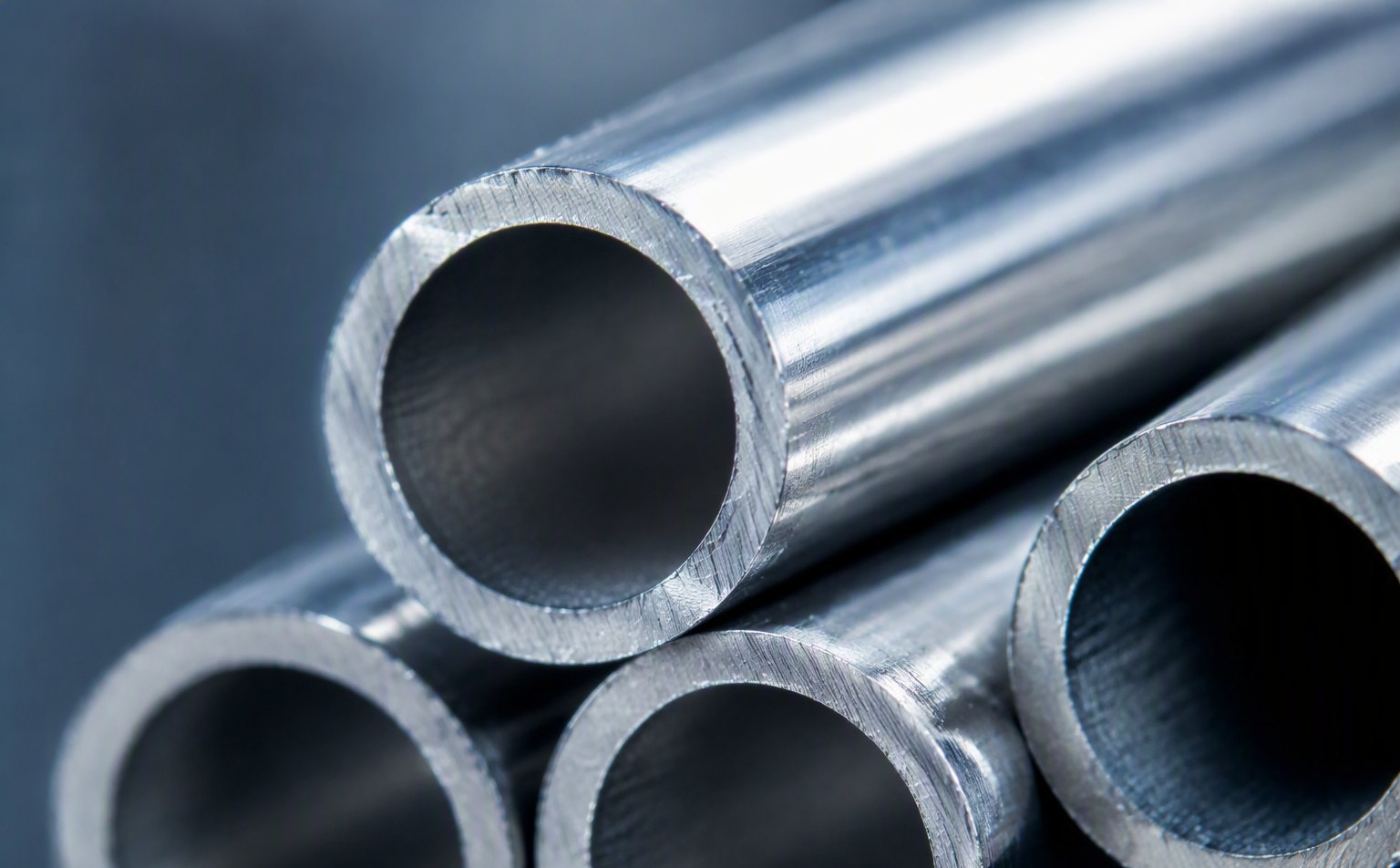
When you spec a tattoo or PMU cartridge order, one line in the material sheet quietly decides a lot about safety, durability and how your brand is perceived: 304 or 316 / 316L stainless steel. Both are “medical stainless,” but in a high-risk, skin-penetrating application they are not interchangeable. Here is what the chemistry actually means for buyers.
The Core Difference: Molybdenum
The single most important distinction is that 316 steel adds molybdenum (Mo, 2–3%) to the chromium-nickel base. A simple analogy: 304 is “rust-resistant” grade, while 316 is “corrosion-resistant” grade. In tattooing and PMU — where needles contact sweat, inks, disinfectants and body fluids — that difference shows up in ways that matter for both safety and product life.
304 vs 316 / 316L: Full Comparison
|
Dimension |
304 Stainless Steel |
316 / 316L Stainless Steel |
|---|---|---|
|
Key composition |
Cr ~18%, Ni ~8%, no molybdenum |
Cr ~18%, Ni ~10–14%, Mo 2–3% |
|
Corrosion resistance |
Basic — limited resistance to chlorides (sweat, disinfectants) |
Excellent — withstands inks, disinfectants and body fluids; far superior pitting resistance in chloride environments |
|
Salt-spray reference |
Roughly half the corrosion endurance of 316; not ideal for long chloride exposure |
Strong resistance to pitting and crevice corrosion |
|
Hardness / toughness |
Slightly harder; some brands value its edge retention |
Better toughness; lower work-hardening rate means more uniform forming in complex processing |
|
Safety profile |
Safe and sterilizable for general medical use |
Surgical-grade biocompatibility — lowers allergy and infection risk |
|
Cost |
Lower |
Higher |
|
Industry position |
Entry-level / basic |
The benchmark — synonymous with safety and performance in premium products |
What the “L” in 316L Means
The “L” stands for low carbon. Lower carbon content further improves resistance to intergranular corrosion, so the material stays stable even after repeated high-temperature, high-pressure sterilization cycles. For needles that must remain flawless through EO or steam sterilization and long storage, 316L is the most reliable choice in common use — which is why it is widely regarded as the ideal material for tattoo and PMU needles.
So Why Does 304 Still Exist in the Market?
Cost, mostly — and a nuance about hardness. 304 can hold a marginally harder micro-edge, and a few premium brands have argued for its sharpness retention. But in real-world sourcing, that small hardness edge does not offset 316’s across-the-board advantages in corrosion resistance, biocompatibility and long-term stability. 304 remains a viable option for practice products or price-driven lines where hygiene requirements are less extreme.
What Buyers Should Specify
Our cartridges use medical-grade stainless steel needle wire, EO-sterilized and batch-traceable, produced under an ISO 13485 quality system with RoHS-verified materials. For OEM / private-label orders, material grade is one of the spec options you control — ask us for a sample kit and compare for yourself.